A failing tree can threaten a roofline, block wall, driveway, patio, or nearby landscape before it ever hits the ground. Performance Tree Services and Landscape provides tree removal services in Phoenix, AZ, with careful inspection, controlled cutting, debris hauling, and practical stump removal guidance.
Tree removal begins with the tree’s condition, not the chainsaw. Deadwood, trunk decay, root plate movement, crown weight, limb tension, storm splits, and lean direction all affect the safest removal method, especially when the tree stands close to structures or hardscape.
Dead tree assessment includes checking bark loss, hollow sections, fungal growth, cracked unions, exposed roots, hanging limbs, sudden lean, and canopy dieback before tree removal is planned.
Tree cutting and felling may require directional cuts, staged limb removal, rigging access, drop-zone planning, and cleanup sequencing when space is limited.

Removing a tree without reading the weight, access, and surrounding surfaces can create avoidable damage. Performance Tree Services and Landscape brings 6 years of hands-on experience to residential removals where roofs, fences, pavers, irrigation lines, vehicles, and neighboring trees must be protected.
Safe tree removal contractors plan around crown spread, trunk lean, limb tension, wind exposure, root stability, and the safest path for each cut.
Phoenix trees often fail from heat stress, dry soil, weak branch unions, monsoon damage, palm debris, and brittle, dead limbs after long, hot seasons.
Large tree-removal equipment is useful only when access allows. Narrow gates, pools, walls, and patios may require section-by-section cutting.
Affordable tree removal services should still explain disposal, stump grinding, debris hauling, safety risks, access limitations, and factors that affect final pricing.
A dangerous tree rarely fails where it is convenient. Planned removal gives crews control over cutting, rigging, hauling, and stump decisions.

Waiting can turn a manageable project into an emergency tree removal after storms. Scheduled removal allows safer access planning, cleaner debris handling, and fewer surprises.
Our completed work shows cleared trunks, opened yard space, removed limb hazards, cleaner ground conditions, and properties ready for stump grinding or new landscaping.

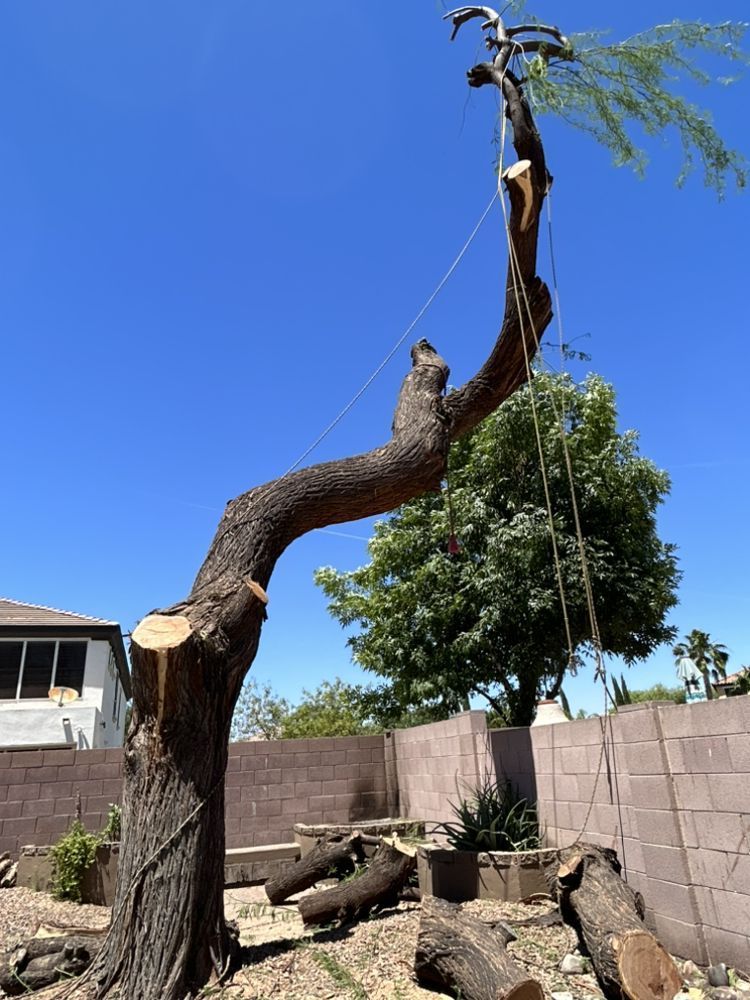
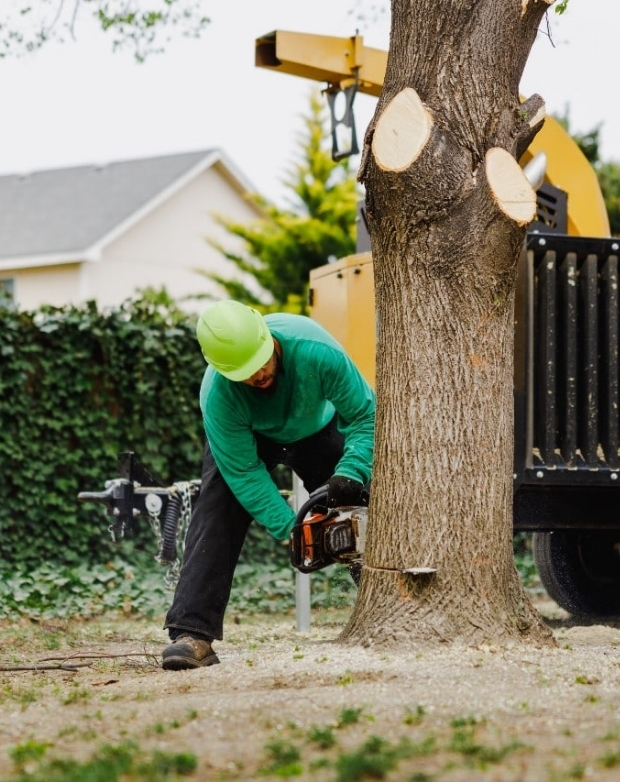

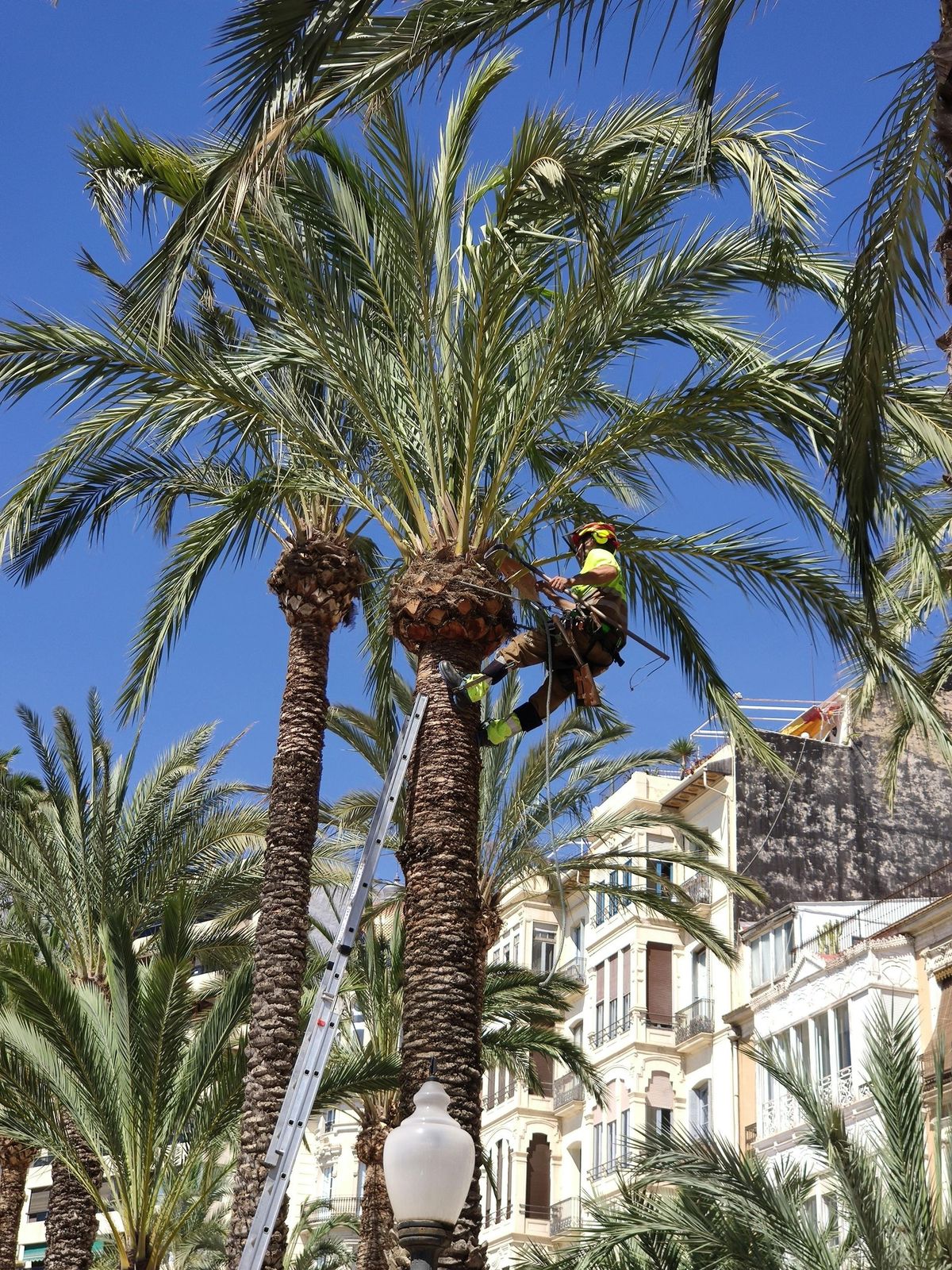

Every tree has a different risk pattern. The crew reviews the tree, plans the cuts, protects the work zone, handles debris, and discusses stump disposal before the property is considered finished.
01
We inspect trunk condition, canopy balance, root movement, access width, nearby structures, utility concerns, and storm damage before choosing the removal approach.
02
Tree limb removal and trunk sectioning are managed based on weight, tension, drop distance, roof clearance, walls, fences, and ground conditions.
03
After cutting, the crew handles brush, logs, hauling, and tree stump removal and disposal to make the area usable again.
A good removal does not just take down a trunk. It removes the limb over the bedroom, the dead tree beside the driveway, the storm-split canopy near the wall, or the stump blocking the next landscape plan. That relief is what Performance Tree Services and Landscape provides.


 Trustindex verifies that the original source of the review is Google.
 Trustindex verifies that the original source of the review is Google.
 Trustindex verifies that the original source of the review is Google.
 Trustindex verifies that the original source of the review is Google.
 Trustindex verifies that the original source of the review is Google.
 Trustindex verifies that the original source of the review is Google.
Performance Tree Services and Landscape helps homeowners across the Phoenix area with tree removal, storm-damaged tree cleanup, hazardous limb removal, stump removal, and debris hauling. The work is shaped by each property’s access, tree condition, safety concerns, and cleanup needs rather than a one-size-fits-all approach.
Removal becomes the better option when the tree has trunk decay, major canopy dieback, root plate movement, repeated limb failure, a severe lean, or a split main union. Pruning can reduce weight on healthy trees, but it cannot rebuild a failing structure or stabilize compromised roots.
Access affects equipment, cutting sequence, debris movement, and labor. A tree in an open yard may allow simpler felling, while one behind a pool, wall, narrow gate, or patio often needs controlled sectioning. Limited access can also affect hauling and stump grinding options.
Emergency tree removal is usually needed when a storm leaves the tree leaning toward a structure, splits the trunk, exposes root movement, or creates hanging limbs over walkways, roofs, vehicles, or driveways. Smaller broken branches may only need pruning, but structural damage needs fast evaluation.
A useful estimate should account for tree height, trunk diameter, canopy spread, condition, access, limb tension, nearby structures, debris hauling, stump grinding, and disposal. A fast tree removal estimate should still be specific enough to explain what is included and what may change.
Stump removal depends on the next use of the space. Grinding is usually smart when the stump sits near a walkway, lawn area, planting bed, paver project, or visible yard space. Leaving it may save money in the short term, but it can attract pests, regrow, or block grading.
Call Performance Tree Services and Landscape for tree removal that considers risk, access, cleanup, stump disposal, and the surrounding property.
