Tree Pruning & Trimming Services in Phoenix, AZ
Trees need more than random branch cutting. Poor pruning can leave weak unions, sunburned limbs, crowded crowns, and uneven growth. Performance Tree Services and Landscape provides tree pruning and trimming services in Phoenix, AZ, built around clearance, structure, health, and safer canopy balance.
How Pruning Guides The Tree Growth
Good tree pruning respects how a tree grows, holds weight, and responds to heat. Deadwood removal, crown thinning, branch clearance, and corrective pruning techniques help reduce hazards while preserving shade, shape, and long-term structure for desert yards, patios, roofs, and walkways.
Canopy Balance
Balanced pruning reduces crowded limbs, crossing branches, top-heavy growth, and uneven crown weight while keeping enough foliage to protect the tree from heat.
Health Cuts
Selective cuts remove deadwood, diseased limbs, weak attachments, and rubbing branches so the canopy can breathe, recover, and grow with better structure.

Why Better Pruning Prevents Future Tree Problems
A tree cut too hard can become stressed, ugly, or more vulnerable to breakage. Performance Tree Services and Landscape brings 6 years of field experience to pruning work, where crown density, branch angles, seasonal timing, and property clearance all affect the result.
Structure First
Residential tree pruning experts look at branch spacing, attachment strength, canopy weight, young tree shape, and future growth before cutting.
Seasonal Timing
A seasonal tree trimming company should understand heat stress, monsoon winds, active growth cycles, and when aggressive pruning can harm trees.
Clearance Work
Precise tree limb removal helps open space near roofs, fences, driveways, sidewalks, windows, patios, and outdoor living areas without overcutting.
Health Focus
Tree health and pruning specialists use selective cuts to improve air circulation, reduce disease pressure, remove deadwood, and support stronger growth.
Stronger & Cleaner Canopies
When branches crowd the crown, rub together, hang over roofs, or trap deadwood inside the canopy, small problems build quietly.

Planned pruning improves airflow, light movement, branch spacing, and clearance before the tree becomes harder to manage safely.
See What Careful Pruning Changes
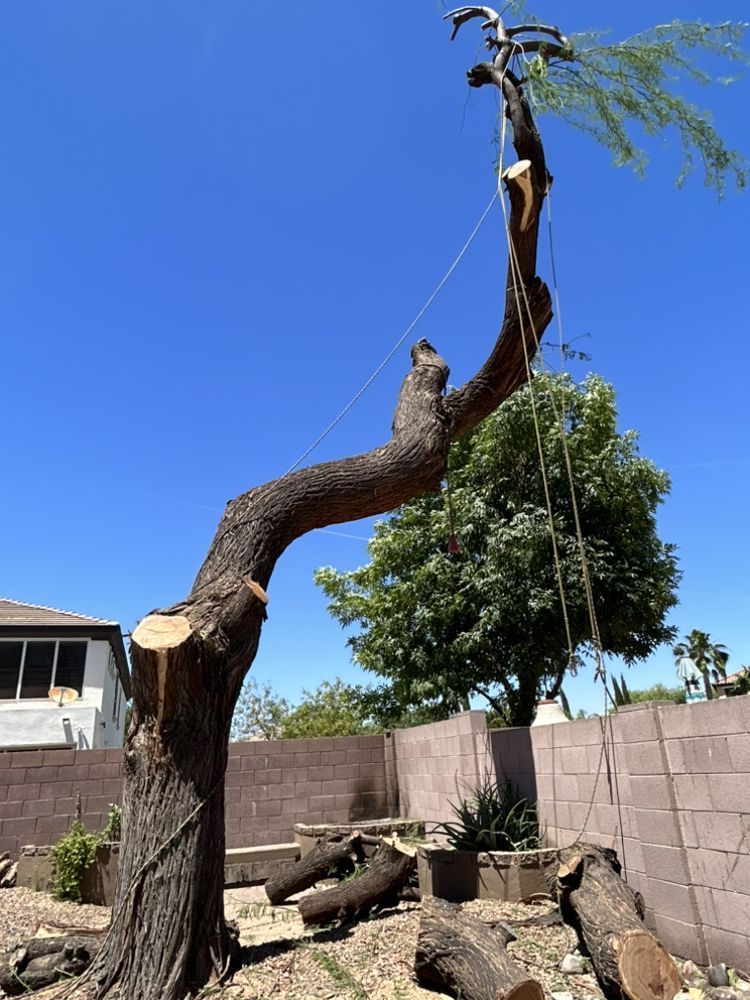
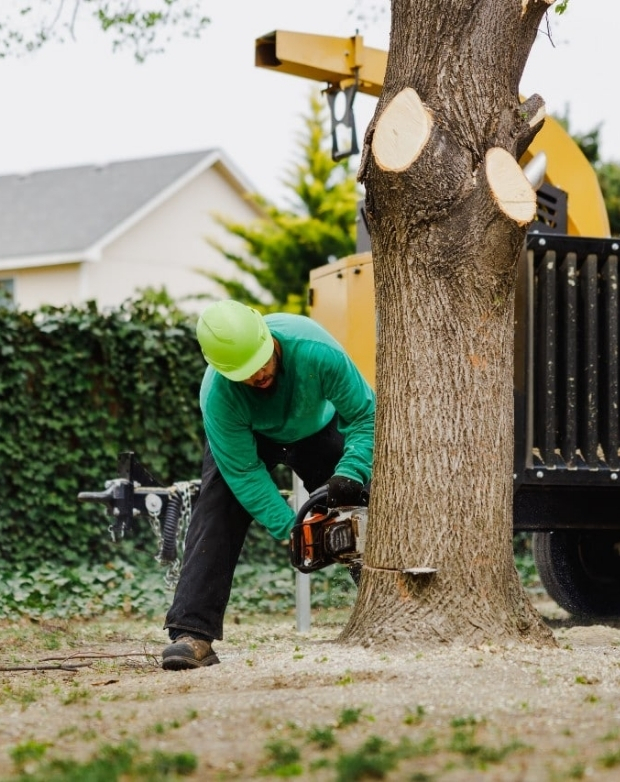
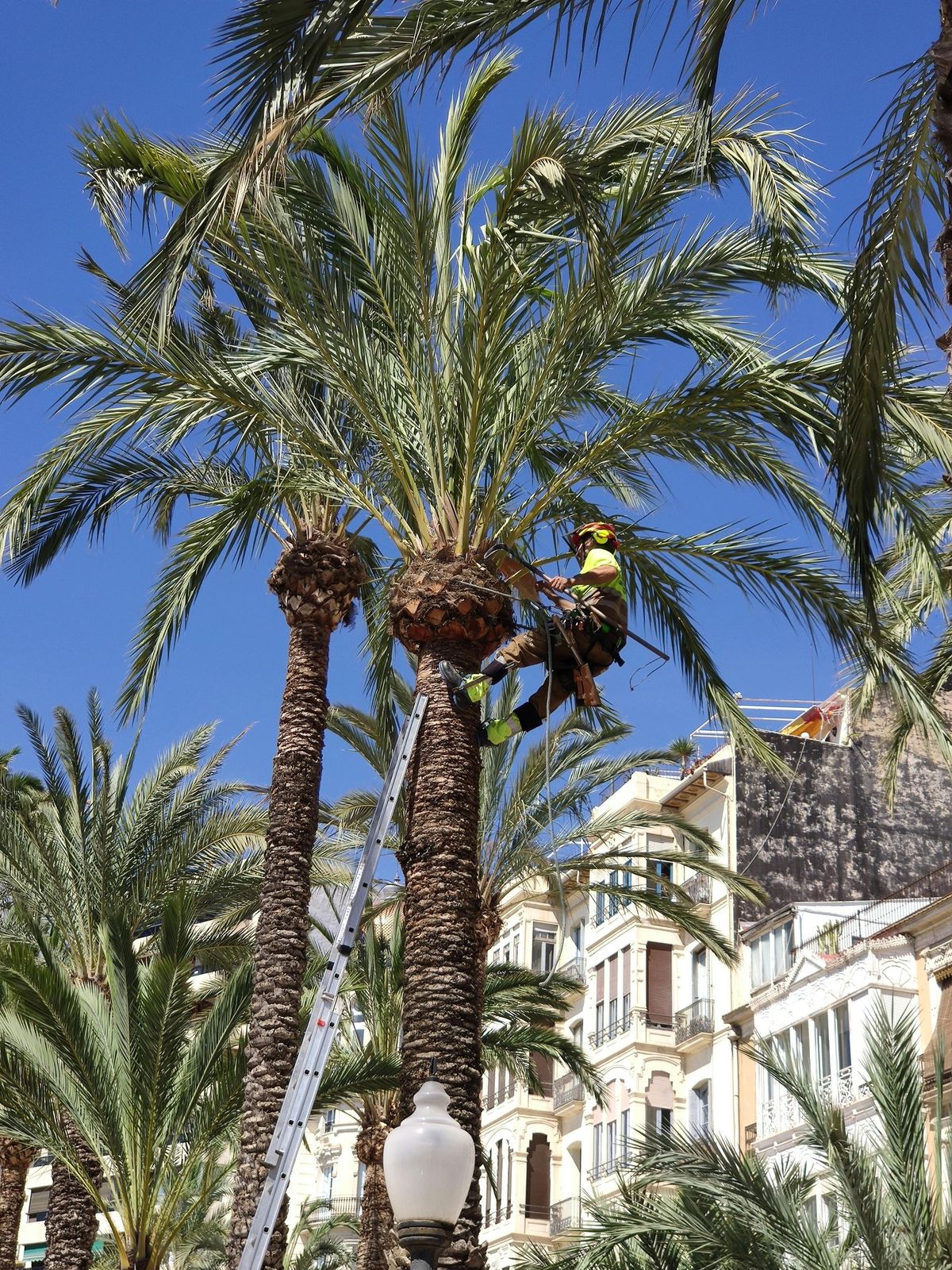
Our pruning work shows cleaner rooflines, lighter canopies, safer branch clearance, healthier structure, and trees shaped without being stripped or overcut.



Our Tree Pruning Process
Every pruning job starts with structure, not appearance alone. The crew reviews branch weight, deadwood, clearance needs, disease signs, crown density, and how the tree should grow after the cuts.
01
Canopy Review
We inspect crown density, dead branches, crossing limbs, weak unions, branch angles, clearance needs, and signs of disease or stress.
02
Final Shaping
The finished tree should look cleaner, breathe better, hold weight more evenly, and keep enough canopy for shade and recovery.
03
Debris Finish
After cutting, the crew handles brush, logs, hauling, and tree stump removal and disposal to make the area usable again.
Properly Planned Pruning Work
Most homeowners do not want a tree hacked into shape. They want a cleaner canopy, fewer falling limbs, safer clearance, and growth that still looks natural. Performance Tree Services and Landscape handles pruning with attention to structure, health, shade, and the way the yard is used.
Posted on GoogleTrustindex verifies that the original source of the review is Google. Highly recommend Leismar and his crew! After reaching out, we had a competitive and fair quote in hand within 24 hours; impressive responsiveness. They tackled all 14 of our palm trees efficiently, and the crew was professional and courteous throughout. What really stood out was how thoroughly they cleaned up the yard afterward! We'll definitely be calling Leismar again for future tree trimming. Look no further if you want reliable, quality work at a fair price!Posted on GoogleTrustindex verifies that the original source of the review is Google. What an incredible tree service company. They are friendly and very professional. They know exactly what they are doing. I added a before and after of my backyard.Posted on GoogleTrustindex verifies that the original source of the review is Google. Excellent service. Highly recommend Esman. He gave us the lowest quote out of 7 companies. We had 2 palm trees 15-25 ft that needed trimming. Great communication, same day service, efficient, on time, and cleaned up back yard beautifully. Very professional. Will be using again in the future.Posted on GoogleTrustindex verifies that the original source of the review is Google. Great service and attention to detail. Trimmed 3 trees and removed one, and kept my canopy in tact and set me up for a safer monsoon season. Fast, responsive and did the work the next day after a quote . Very nice guy and a great local small business. Good price for the quality of work. Highly recommend.Posted on GoogleTrustindex verifies that the original source of the review is Google. These guys were great! I needed a stump gone for new landscape in my front yard and they provided me an estimate the evening before and came by the next morning. The price was the best I found and they even went the extra mile digging slightly deeper to help with the landscaping I was getting done. I highly recommend Performance Tree Service!Posted on GoogleTrustindex verifies that the original source of the review is Google. If you’re looking for a reliable, skilled, and professional tree trimming service, I highly recommend them. Great work, fair pricing, and outstanding results! 🌳
Tree Pruning Across The Phoenix Area
Performance Tree Services and Landscape helps homeowners across the Phoenix area with tree pruning, expert tree trimming services, crown thinning, branch clearance, deadwood removal, and seasonal canopy care. Each tree is pruned according to species, condition, location, growth pattern, and nearby property concerns.
- Phoenix
- Scottsdale
- Paradise Valley
- Glendale
- Peoria
- Mesa
- Chandler
- Gilbert
- Tempe
- Fountain Hills
- Sun City
- Sun City West
- Surprise
- Goodyear
- Avondale
- Buckeye
- El Mirage
- Queen Creek
- Apache Junction
- Tolleson
- Litchfield Park
- Youngtown
- Carefree
- Cave Creek
Frequently Asked Questions
How is proper tree pruning different from simply cutting back branches?
Proper tree pruning uses selective cuts based on structure, branch attachment, canopy density, clearance, and health. Simple cutting often removes whatever looks long or messy. Good pruning reduces deadwood, manages limb weight, improves air circulation, and preserves enough foliage for recovery.
When does crown thinning help a tree in Phoenix?
Crown thinning helps when the canopy is too dense, heavy, or wind-resistant. In Phoenix, thoughtful thinning can improve air movement, reduce branch rubbing, and lower limb stress during storms. It should not remove too much foliage because desert trees still need shade protection.
Can pruning help prevent tree disease or decay?
Pruning can support tree disease prevention by removing dead, damaged, rubbing, or infected branches before problems spread. It also improves airflow through the canopy, which can reduce moisture pockets around crowded limbs. However, cuts must be clean and selective to avoid unnecessary stress.
What makes pruning young trees different from trimming mature trees?
Shaping young trees focuses on structure enhancement, branch spacing, central growth, and reducing future weak unions. Mature tree pruning usually focuses more on deadwood removal, clearance, canopy balance, and hazard reduction. Early corrective pruning can prevent bigger structural problems later.
How often should trees be pruned around homes, roofs, and walkways?
Timing depends on species, growth rate, canopy weight, and clearance needs. Trees near roofs, sidewalks, driveways, or windows may need regular inspection because branches can create abrasion, falling-limb risk, and access problems. A pruning plan should balance safety with tree health.
Shape The Overgrowth Problem Beforehand
Call Performance Tree Services and Landscape for tree pruning that improves clearance, canopy balance, branch health, and long-term tree structure.
